
TSA seeks candidates who learn quickly, exceed expectations in job performance and work well on a team. If you are a team-oriented self-starter with a positive and respectful attitude looking for an opportunity to contribute and add value, you may well find a home at Tri-State Automation.
If you are interested in exploring any of the following career opportunities at Tri-State Automation, please contact Judy Blankenship at TSA human resources.
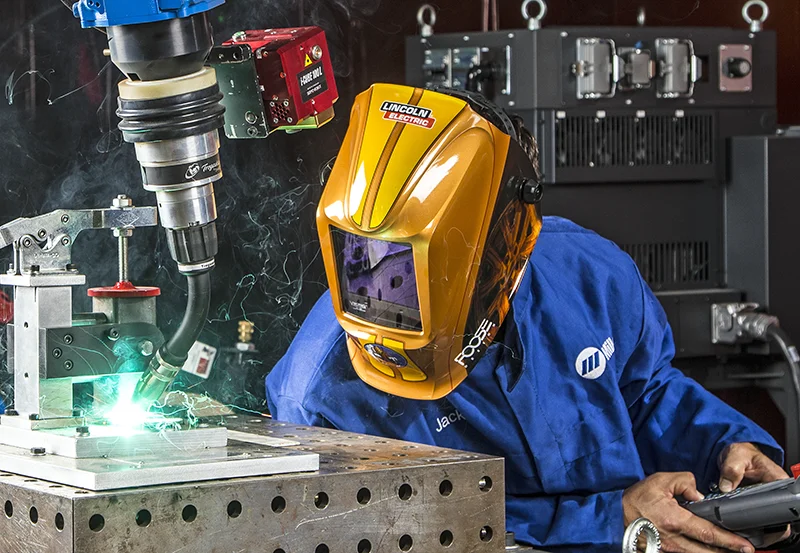
The Automation Engineer is responsible for designing, developing, implementing, testing, and maintaining automated systems that improve production efficiency, equipment reliability, product quality, and operational safety. This role works closely with engineering, maintenance, production, quality, and external vendors to identify automation opportunities, support equipment upgrades, troubleshoot control systems, and ensure automated processes meet business and regulatory requirements.
The Welding Engineer is responsible for developing, qualifying, and improving welding processes to ensure safe, reliable, and cost-effective fabrication. This role works closely with engineering, production, quality, inspection, and maintenance teams to support welded assemblies, resolve welding issues, and ensure compliance with applicable customer specifications, safety requirements, and industry codes such as AWS, ASME, API, or ISO standards.
The Software Engineer is tasked to design, develop, test, and maintain high-quality software applications and systems. This role is ideal for someone who enjoys solving complex problems, writing clean and reliable code, and collaborating with cross-functional teams to deliver technology solutions that meet business and user needs.
The Electrical Engineer is tasked to design, develop, test, and support electrical systems, components, and equipment. This role is responsible for creating technical designs, performing calculations, troubleshooting electrical issues, ensuring compliance with applicable codes and safety standards, and collaborating with cross-functional teams to deliver reliable engineering solutions.
The Robotic Integrator is responsible for designing, programming, installing, testing, and supporting industrial robotic automation systems. This role works closely with engineering, production, maintenance, and customer teams to integrate robots, controls, tooling, vision systems, conveyors, safety equipment, and other automation components into reliable manufacturing work cells. The ideal candidate is hands-on, technically strong, safety-focused, and able to troubleshoot complex mechanical, electrical, and controls-related issues.
The Automation Specialist is responsible for identifying, designing, implementing, testing, and maintaining automation solutions that improve operational efficiency, reduce manual work, and support consistent, high-quality business processes. This role works closely with cross-functional teams to understand workflow challenges, recommend automation opportunities, and ensure automated systems operate reliably and safely.
The Robotics Technician is responsible for installing, maintaining, troubleshooting, and repairing robotic systems and automated production equipment. This role supports safe, efficient, and reliable operations by performing preventive maintenance, diagnosing mechanical and electrical issues, assisting with programming and calibration, and working closely with engineering, maintenance, and production teams to minimize downtime and improve system performance.
The Mechatronics Engineer designs, develops, tests, and improves automated systems that combine mechanical components, electronics, sensors, controls, and software. This role supports the development of intelligent machines, robotics, production equipment, and smart devices by applying principles from mechanical engineering, electrical engineering, computer science, and control systems.